Urban Surveillance Integration: Safer City Infrastructure
By Aoife O'Connell • 7th Feb
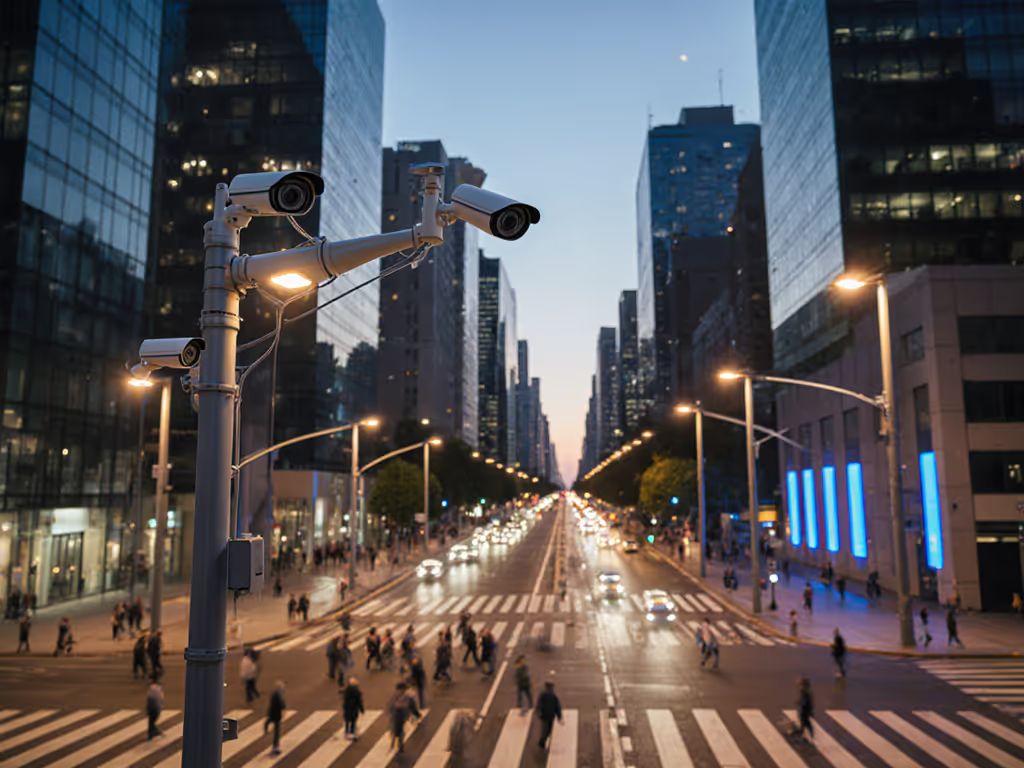
Urban Surveillance Integration: Why Your Security Indoor Cameras Need to Work with City Infrastructure
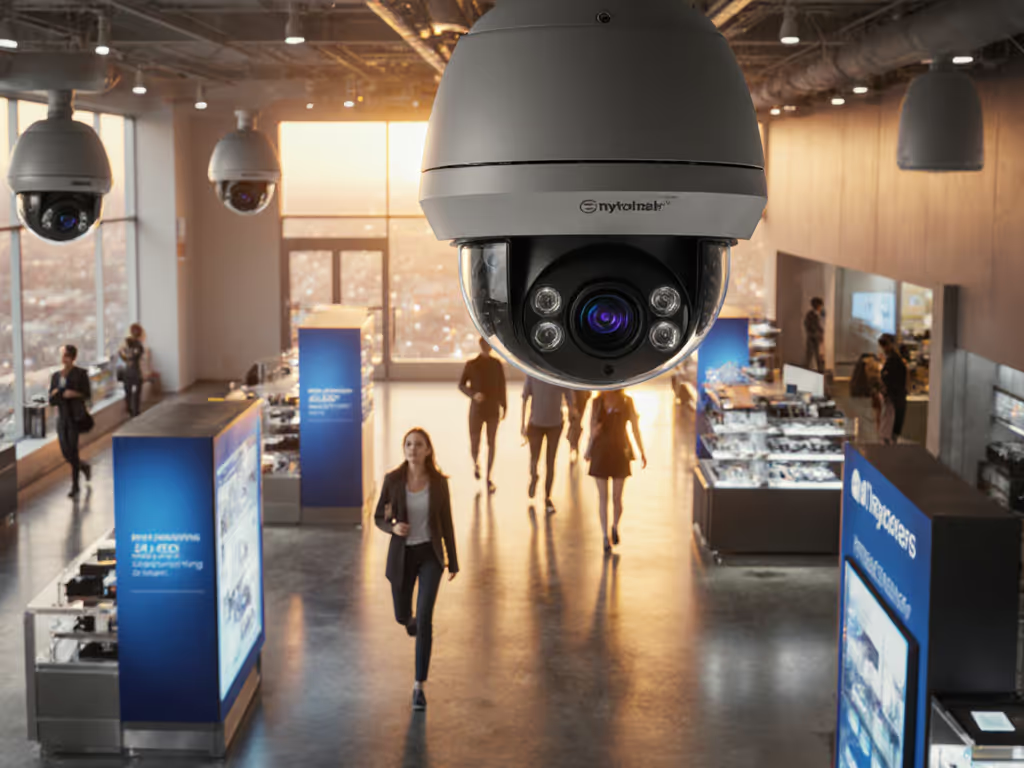
Urban surveillance integration isn't just about installing security indoor cameras across your property. It's about creating systems that actually deliver when it matters most. After years of fixing installations that promised everything but delivered nothing, I've learned that the most effective setups prioritize reliability over flashy features. Solid mounts and clean power beat fancy features, every single time. Too many homeowners and small business owners learn this the hard way when their "smart" system fails during critical moments.
Let's tackle the real questions behind the frustration. Here's what actually matters for creating surveillance that protects without pestering.
Q: How can I reduce false alerts from trees, pets, and headlights?
A: You're not just fighting notifications, you're fighting noise. I visited a home where a family missed their driveway footage because glare from a white wall overwhelmed the IR, and wind made the mount wobble. We rewired to PoE, added a simple wedge bracket, and adjusted the angle. The false alerts dropped from 30+ daily to 2-3 meaningful events.
Your action plan:
- Test placement at multiple times of day (dawn, dusk, midnight)
- Angle cameras to avoid direct light sources and reflective surfaces
- Create specific detection zones that exclude known nuisance areas
- Use physical baffles to block problematic light sources For step-by-step tuning that slashes noise, use our motion detection calibration methods to dial in zones and sensitivity.
Wire it once, keep it quiet. This isn't about more cameras, it's about better placement and thoughtful configuration.
Q: What's the most reliable approach for nighttime identification?
A: If your "night vision" can't capture usable license plate numbers, it's failing its primary purpose. Most homeowners don't realize their "color night vision" switches to mono mode once ambient light drops below a certain threshold. Better systems combine properly tuned IR with wide dynamic range (WDR) processing that handles challenging lighting.
I've tested dozens of setups where homeowners wasted money on expensive "starlight" sensors only to discover their porch lights created backlighting that washed out subjects. The solution? Simple repositioning and understanding your specific lighting environment, not the next big sensor specification.
Focus on:
- Testing actual low-light performance at your location
- Ensuring proper power delivery (PoE negates battery drain issues)
- Setting up zones that exclude glare sources
- Choosing cameras with adjustable IR intensity
Q: How does city infrastructure security actually benefit individual properties?
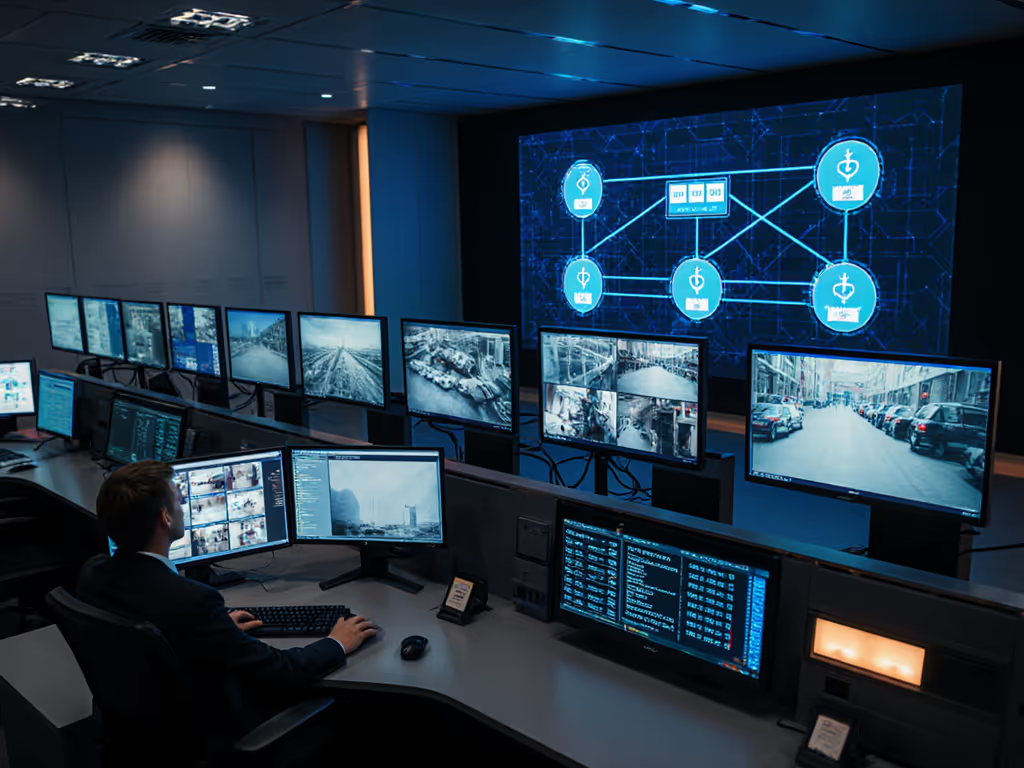
A: Smart municipalities are deploying IoT urban monitoring systems that complement personal security investments. When cities implement traffic pattern analysis at key intersections, they reduce response times for all emergencies. Public safety analytics from city-operated systems helps create safer environments for everyone, reducing false dispatch fines and neighbor complaints from nuisance alarms. To connect alerts with first responders the right way, learn how to set up 911 camera integration.
The best setups leverage city infrastructure instead of fighting it. For example, if your municipality has installed emergency vehicle preemption systems, position your cameras to monitor approaching emergency vehicles so you don't trigger unnecessary alerts during legitimate responses.
Q: How do I integrate surveillance without privacy concerns or subscription traps?
A: This is where most systems fail their owners. I've seen too many homeowners locked into expensive cloud subscriptions for basic features like activity zones. Look for systems with these non-negotiable features:
- On-device processing for person/vehicle detection
- Local storage options with clear retention policies
- Transparent data handling practices (ask for their privacy policy)
- No forced cloud requirements for basic functionality Prefer to avoid subscriptions altogether? See our privacy-first, subscription-free systems guide.
Your city's public safety analytics should complement, not replace, your personal security. When systems work together properly, you get the "force multiplier effect" PricewaterhouseCoopers describes, where fewer personnel effectively monitor substantially larger areas.
Q: What's my first step to improve system reliability without starting over?
A: Run this 5-minute reliability check:
- Power check: Is your camera on stable power? (PoE eliminates 70% of battery-related failures)
- Mount test: Push the camera. Does it wobble? (Secure mounting prevents alignment drift)
- Angle assessment: Record during challenging lighting (dawn, dusk, full night)
- Notification verification: Time how long between event and alert (should be under 5 seconds)
- Evidence review: Can you identify key details in nighttime footage?
Most reliability issues stem from these fundamental factors, not "outdated" technology. A recent industry report confirms that properly installed systems with clean power connections reduce maintenance needs by over 60%.
The Bottom Line: Reliability is a Build Quality
Urban surveillance integration works when it's built to last, not just installed to check a box. Your security indoor cameras should be quiet until they matter, and crystal clear when they do. When municipalities implement IoT urban monitoring alongside individual property systems, everyone benefits from stronger city infrastructure security and better public safety analytics.
Your next step? Grab a ladder (safely, please!), inspect your current setup using that 5-point checklist, and document exactly where your system fails. Most problems can be fixed with one afternoon of careful adjustments, not a complete overhaul. I've helped countless homeowners transform unreliable systems into dependable security partners simply by addressing mount stability, power delivery, and detection tuning.
When you approach urban surveillance integration with this mindset, you'll finally get the quiet reliability you deserve, instead of constant notification fatigue. Because when your camera misses what matters, it's not broken technology, it's broken installation. And that's something you can fix today.
Wire it once, keep it quiet.
Related Articles